



Case study / Taxi fleet operations / Poland
Taxi Fleet Management Software: From Driver Signup to Payout
A driver enters their details once. HR uses them for agreements. Finance uses them for settlements. And the driver can see how their payout was calculated. For Elit Partner, we built custom taxi fleet management software where each next step builds on work already completed.
One driver, dozens of tasks
Elit Partner is a taxi fleet operator in Poland working with Uber, Bolt and FreeNow. Some drivers share revenue with the company; others rent a vehicle or work with their own car. Each arrangement comes with its own documents, expenses and settlement rules.
“Onboard a driver” sounds like one task. In practice, it means collecting information, checking documents, choosing agreements, obtaining signatures, preparing a vehicle and setting up settlement terms. Every week, the team then needs to combine earnings from several services with rental charges, bonuses, fuel and adjustments.
The client needed a system that connected this work, so staff could see what was complete, what needed attention and which information to use next.
We developed and expanded the platform around the situations drivers and office teams deal with every day.
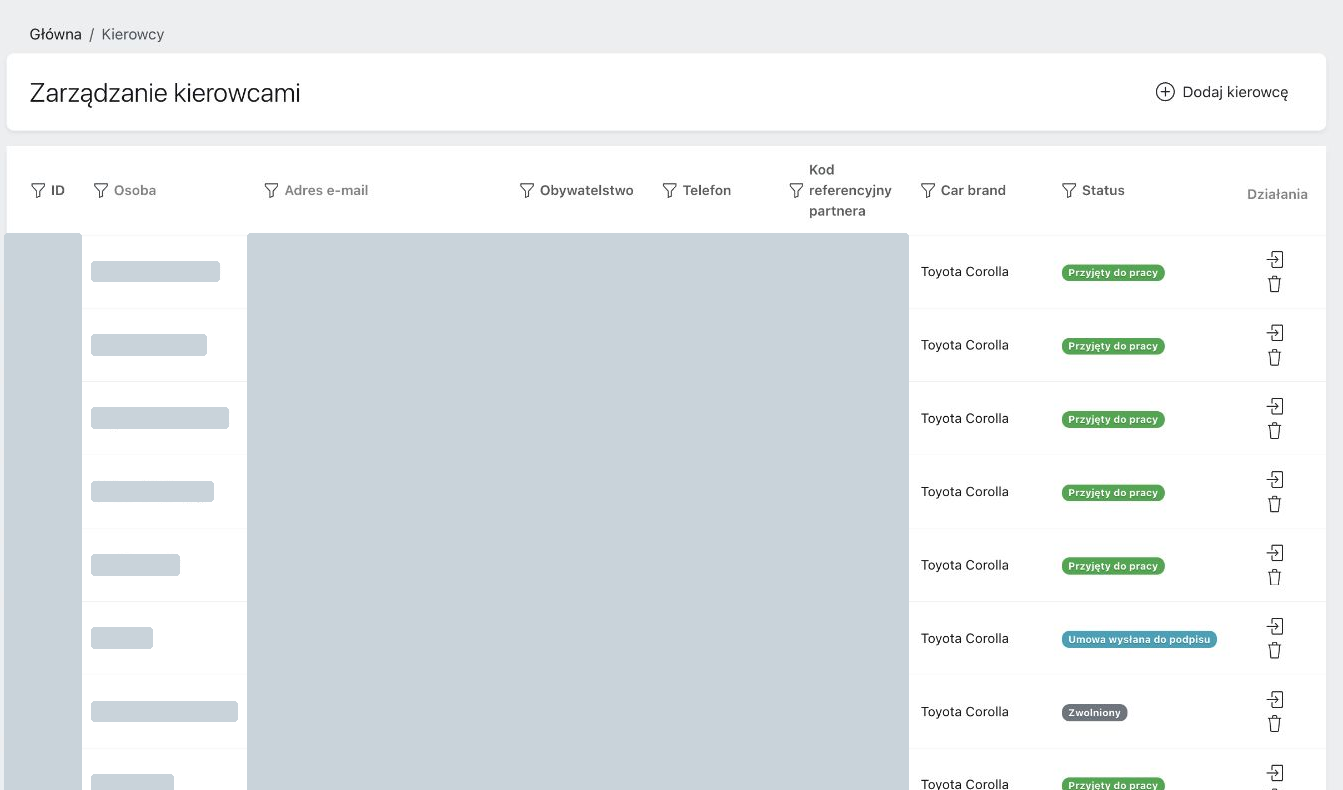
Driver onboarding: from application to starting work
A candidate opens registration, chooses a cooperation model and follows a guided process to enter their details and upload documents. The platform checks required information, while HR can see the application’s progress and what is missing.
If clarification is needed, the manager changes the status and the driver receives the corresponding email. Once the information is ready, the platform fills the appropriate agreements with profile data and sends them for electronic signing through SignWell. Completion of the required signing process updates the driver’s status.
The manager does not have to re-enter the application into agreements or explain every next step individually. Their attention can go to reviewing the application and resolving questions that need a human decision.
The platform continues to help after onboarding. Document expiry checks and email reminders flag records that need updating, including student certificates and the relevant age threshold. Onboarding information, including the ZUS declaration, stays in the driver’s profile.
Driver settlements: bring the data together, review and send
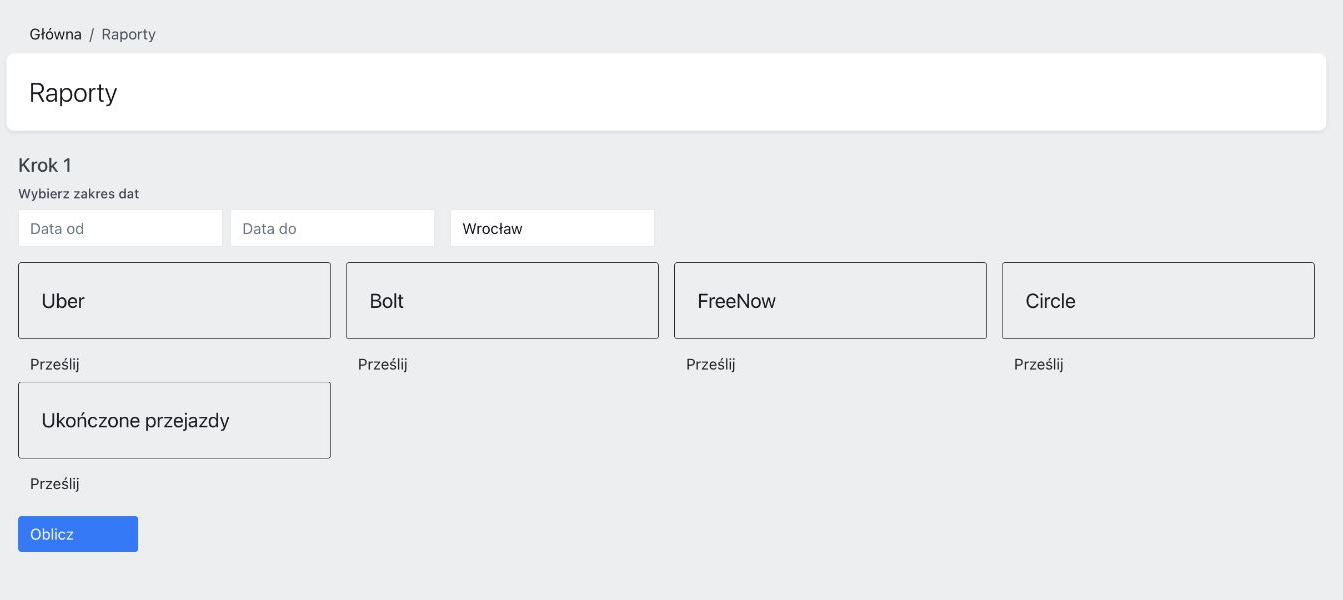
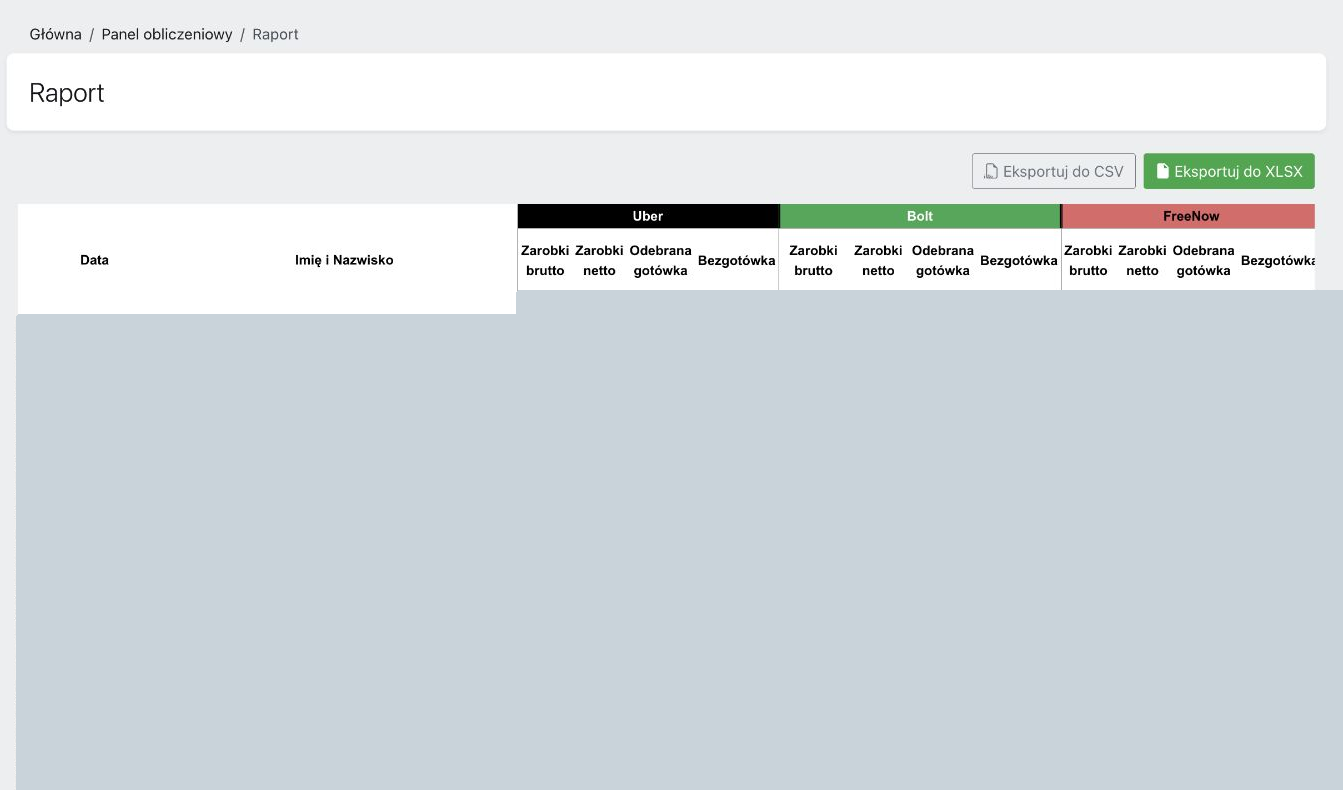
A driver may earn through Uber, Bolt and FreeNow in the same week. Some income arrives electronically; some is collected from passengers in cash. Bonuses, rent, fuel, fees, advances and individual terms all affect the final settlement.
Finance uploads the reports for the chosen period. The platform connects records to drivers and prepares a calculation using the configured rules. If a record cannot be matched or an adjustment is needed, staff resolve it before publishing.
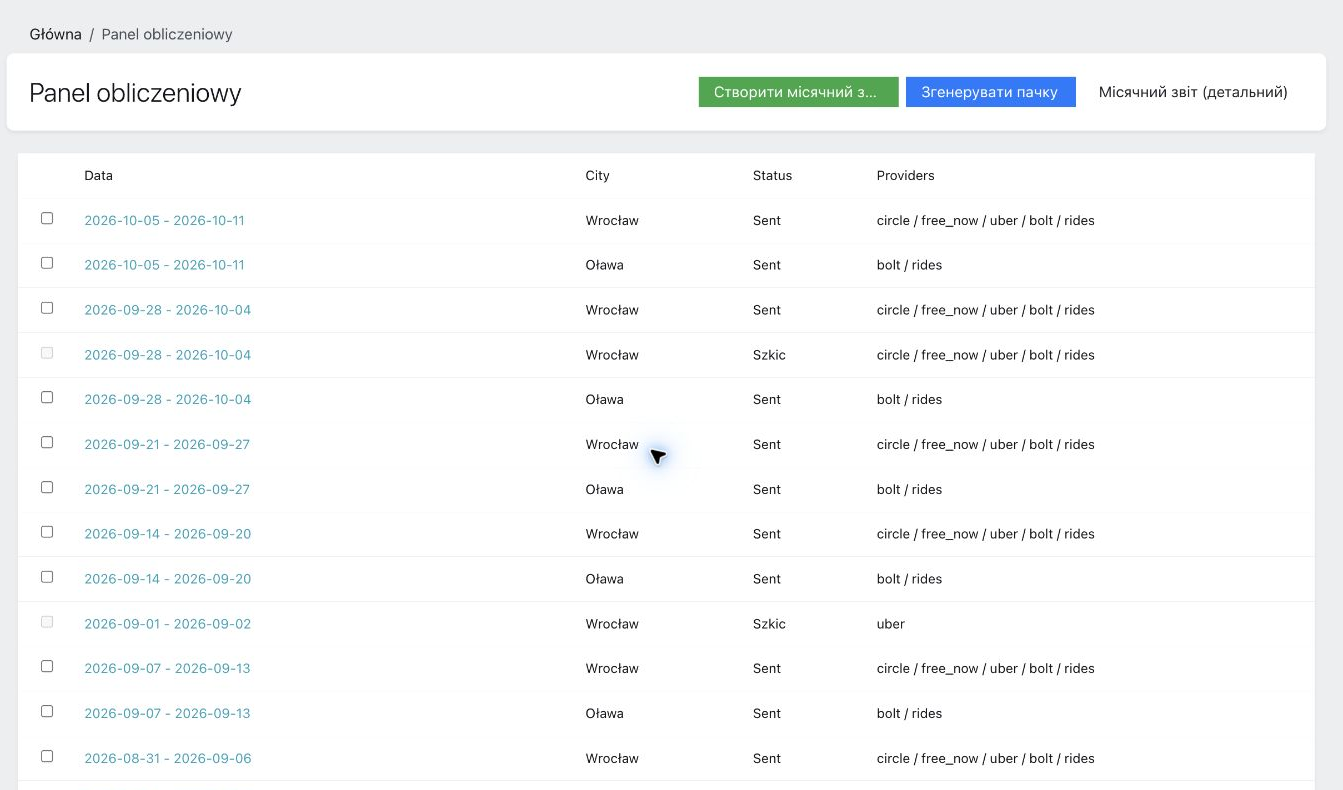
The team gets a prepared draft to review, reducing the work of assembling each settlement from scratch. Once it is sent, the driver can see the result in their account.
“Why was I paid this amount?” now has a clear starting point: the breakdown shows earnings by service, bonuses, expenses and adjustments. Comments help explain entries such as an added debt or premium.
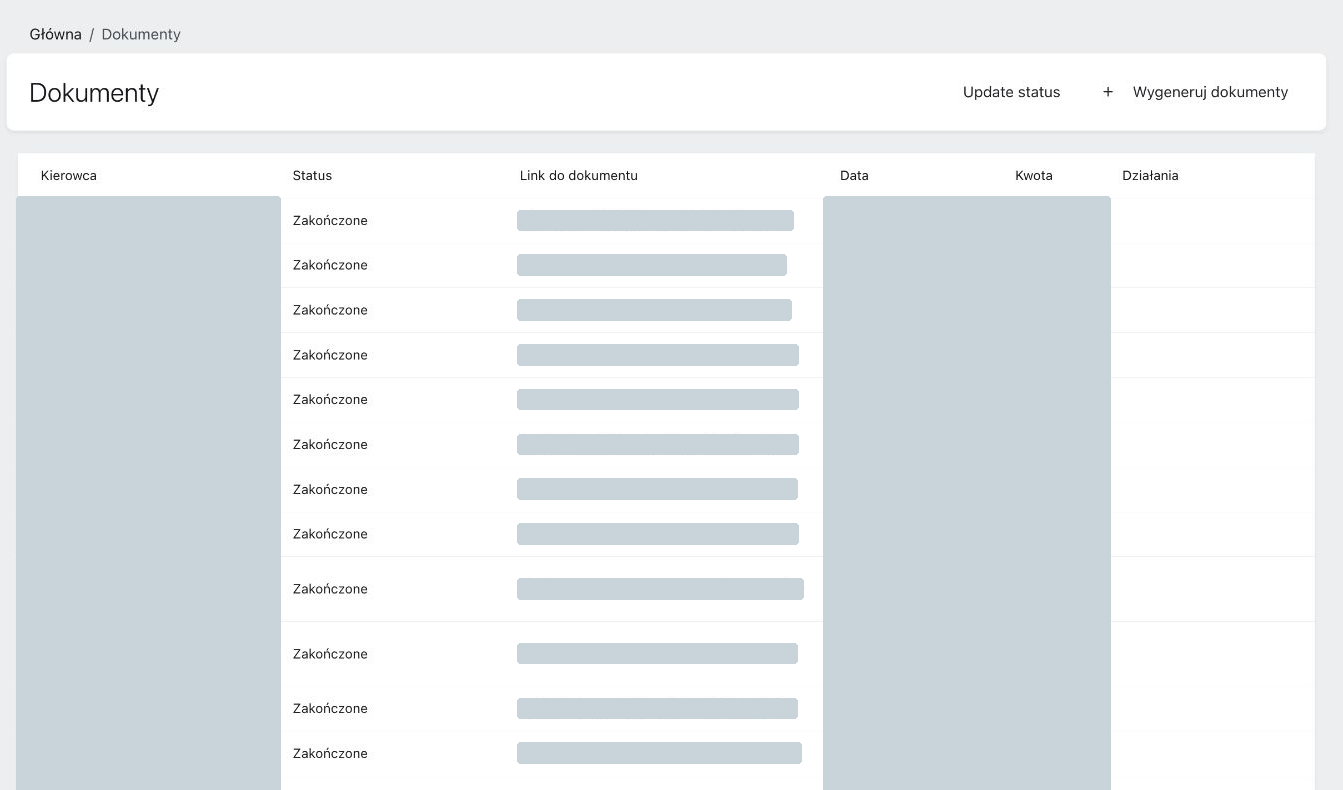
That reviewed work is useful again at month-end. Published weekly reports can be combined into monthly settlements, with totals for drivers and the company. Finance can also prepare a file containing amounts, bank details and payment references for import into a bank.
Rental and cooperation terms: put the company’s rules to work
The platform supports 50/50 and 60/40 revenue sharing, vehicle rental and work with a driver’s own car, including B2B arrangements. The relevant terms are stored in the driver profile and used in documents and settlements.
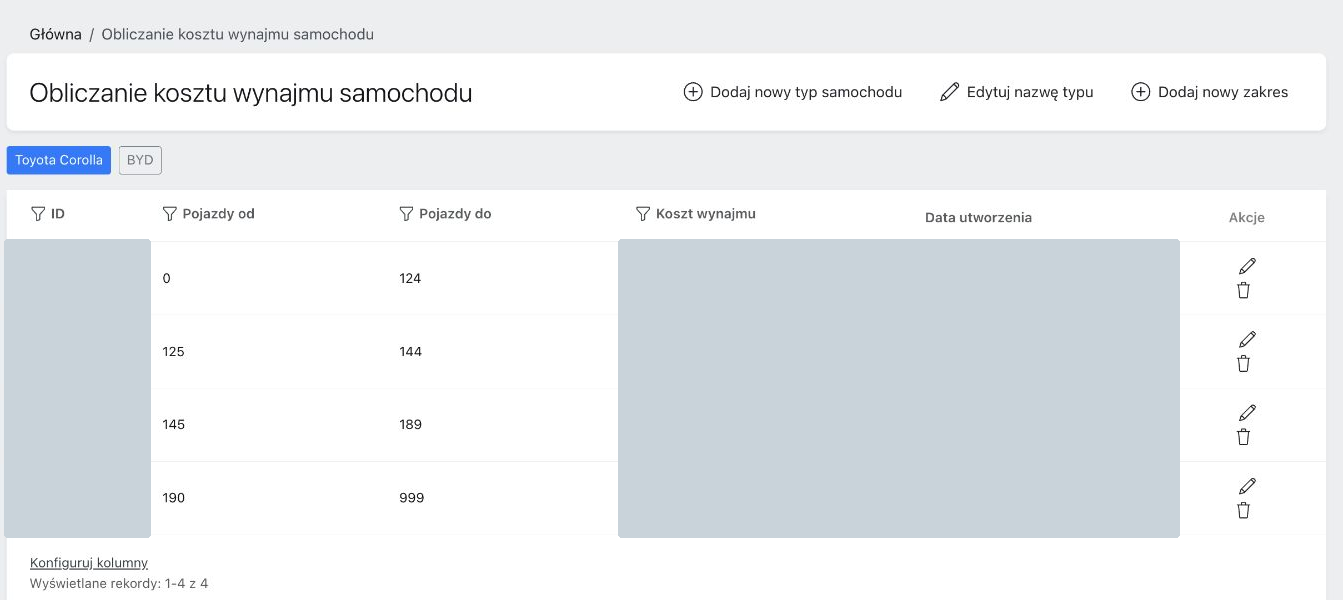
For example, when rent depends on activity, the system uses completed-trip data to determine the following week’s charge. Toyota Corolla and BYD can have different trip ranges and prices.
When pricing changes, staff update the settings through the interface. They can change rental prices or add a vehicle type without requesting a development change. Individual fees and bonus VAT calculation options can also be configured for a particular driver.
If a driver moves from a rented vehicle to their own car, or returns after a break, HR creates a new document package in the same profile. Earlier agreements and dates remain available. Staff can follow the cooperation history and download available signed documents together in an archive.
Driver expenses: from an invoice photo to a clear refund
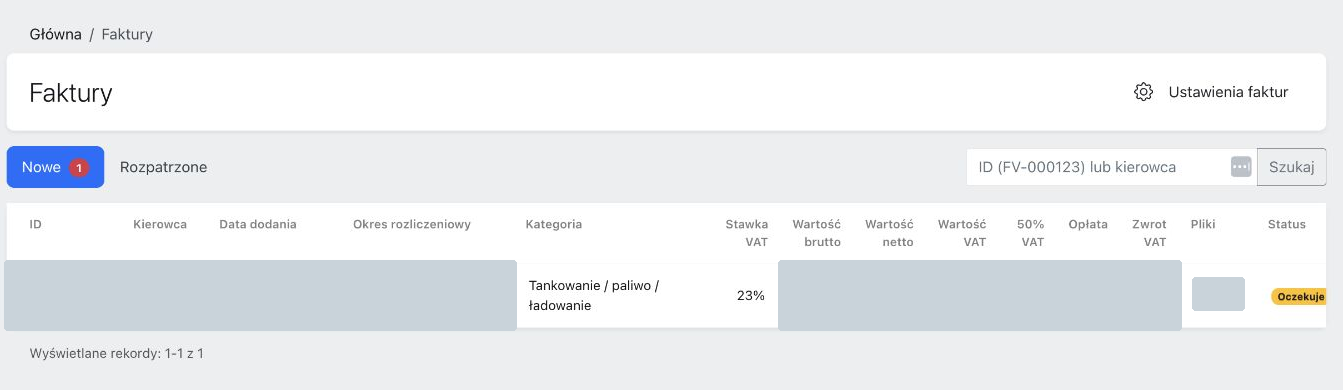
A driver pays for charging, cleaning or a repair. They choose an expense category, enter the amount and attach the invoice. The platform fills profile details and calculates the refund, including the applicable processing fee.
HR receives the submission for review. Staff can approve it, make permitted corrections or reject it with an explanation. The driver can see the status and comment in their account and submit a new, corrected invoice after rejection.
Once approved, the refund is included in the corresponding settlement. Staff do not have to calculate every amount separately, and drivers can check whether an expense has been reviewed without contacting the office.
Published weekly settlements keep their final result: subsequent invoice changes do not rewrite a closed report.
Vehicles: keep the facts at handover, return and repair
A vehicle handover needs a record of specific details: bodywork, existing damage, fuel and inventory. In the platform, the manager follows the issue or return procedure, records photos and information, and prepares an electronic protocol for signing.
Vehicle replacements are recorded too. Accident and repair registers keep dates and supporting documents, while vehicle statuses show whether a car is available, occupied or undergoing repair.
When a question about vehicle condition comes up, the team has a history and photographs to consult. Documents from completed cases remain in the archive for later review.
Everyday questions: help drivers find their own answers
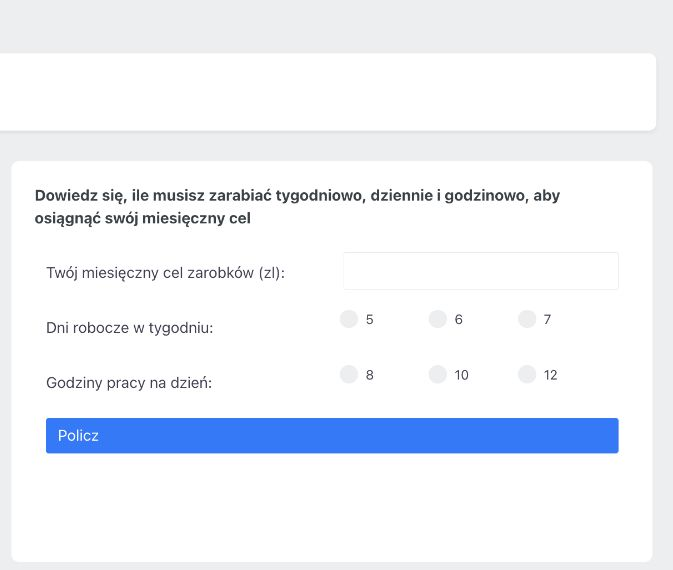
The driver account gives access to onboarding resources, instructions, tests, earnings strategies and frequently asked questions. A goal calculator translates a desired monthly income into weekly, daily and hourly targets based on the chosen work schedule.
If a change affects only drivers with rented vehicles, the manager selects that group and sends an email. They can also contact an individual, active or former drivers, or the full database.
Polish and Ukrainian email templates can be edited through the interface. Drivers receive information at the relevant stage, and staff do not have to compose the same message for each recipient.
What this means for the business
The platform connects tasks that would otherwise need to be coordinated separately. A completed application supplies agreement data. Cooperation terms feed into a settlement. Reviewed weekly reports support monthly reporting and bank files. An approved invoice contributes to the driver’s payout.
HR can see what is holding up an application. Finance reviews prepared calculations and exceptions. Fleet managers retain vehicle history. Drivers can find a settlement, expense status or work instruction themselves.
For management, recurring steps are built into the system, and the team has shared information to work from. A new office employee can join a process with visible statuses, rules and an action history.
How we worked
Growunit handled workflow design, interface design, development, integrations and testing. We expanded the platform in stages, adding new scenarios and refining existing ones as the client’s requirements developed.
Access is organized by role. The web interface supports Polish and Ukrainian and works across desktop, tablet and mobile browsers.
An Android and iOS application is the next stage and is not part of the completed scope described here.